Why Is My Car Going Into Limp Mode?
If your car suddenly feels restricted when you press the accelerator or it is struggling to go above a certain speed this is what we call a car in limp mode.
If your car is in limp mode, it means the vehicle has detected a problem and is deliberately limiting performance to help protect the engine, turbo, gearbox or emissions system.
Limp mode can feel worrying because it often happens suddenly. One minute the car seems fine, then the next it feels flat, slow or stuck in a low-power setting.
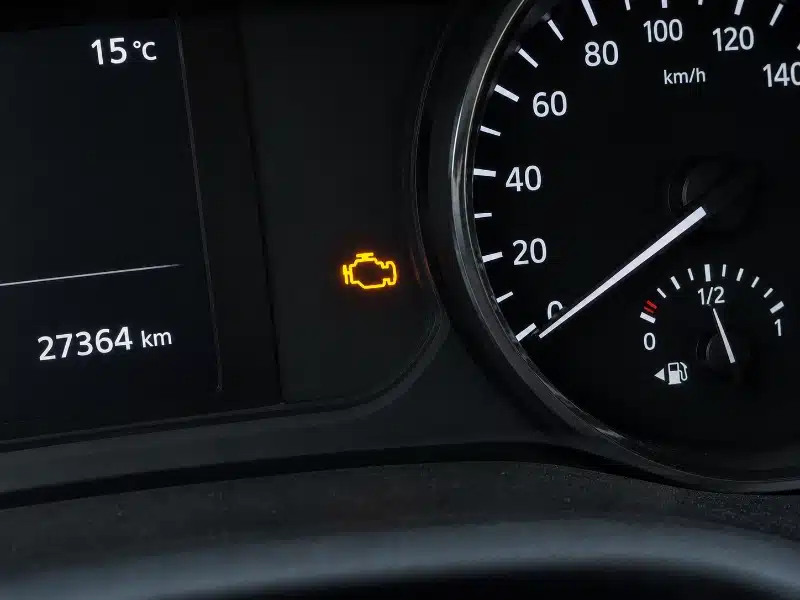
The important thing to know is that limp mode is not the fault itself. It is the vehicle’s way of reducing risk when something is operating outside safe limits.
Sometimes the cause is relatively simple. Other times it points to developing issues with turbo pressure, airflow, DPF restriction, fuel delivery, sensors, overheating or engine management faults.
This guide explains:
- What limp mode means
- What limp mode feels like
- Why cars go into limp mode
- Common symptoms of limp mode
- Common causes of reduced power warnings
- Whether it is safe to drive in limp mode
- What happens during diagnostics
- Frequently asked questions
What Does Limp Mode Mean?
Limp mode is a protective setting used by modern vehicles when the engine control system detects a serious or potentially damaging fault.
When limp mode is activated, the vehicle may limit:
- Engine power
- Acceleration
- Turbo boost
- Engine revs
- Vehicle speed
- Gear changes
- Throttle response
The aim is to reduce stress on the engine and related systems until the cause can be checked properly.
In simple terms, the car is still trying to let you move, but it is no longer allowing full performance.

What Does Limp Mode Feel Like?
Limp mode usually feels like the car has suddenly lost most of its power.
Drivers often describe it as:
- The car feels very slow
- Acceleration is heavily restricted
- The engine will not rev properly
- The vehicle struggles uphill
- The gearbox feels odd or holds gears
- The car feels like it is being held back
- A reduced power warning appears
- The engine management light comes on
Some vehicles will still drive at low speeds. Others may become difficult or unsafe to drive depending on the severity of the fault.
Why Has My Car Gone Into Limp Mode?
A car goes into limp mode when the engine control system sees readings that suggest a fault could cause further damage if full power continues.
This may be caused by:
- Turbo boost problems
- DPF restrictions
- Faulty sensors
- Injector issues
- Airflow faults
- Carbon build-up
- Overheating
- Transmission faults
- Fuel pressure problems
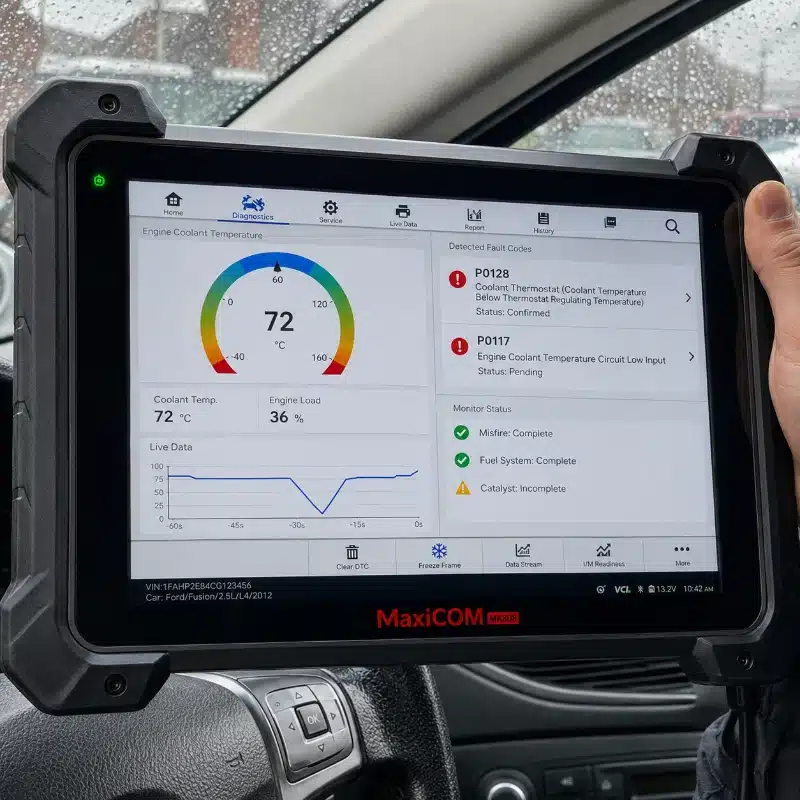
The vehicle stores fault codes when this happens, but those codes are only part of the picture. Live data is usually needed to understand what was happening when the warning appeared.
Common Causes of Limp Mode
There is no single cause of limp mode. The right answer depends on the vehicle, engine type, mileage, driving pattern and symptoms.
Turbo Boost Problems
Turbo-related faults are one of the most common reasons a vehicle enters limp mode, especially on diesel engines.
The turbocharger helps push more air into the engine. If the vehicle expects a certain amount of boost pressure but does not receive it, the engine control unit may reduce power to prevent damage.

Possible turbo-related causes include:
- Split boost pipes
- Intercooler hose leaks
- Turbo underboost
- Sticking turbo vanes
- Faulty boost pressure sensors
- Vacuum control problems
- Failing turbochargers
Drivers may notice:
- Sluggish acceleration
- Whistling noises
- Loss of power uphill
- Black smoke from the exhaust
- Engine warning light
- Reduced power warning
A turbo fault should not be guessed at. A boost pressure code does not always mean the turbo itself has failed. It could be a pipe, sensor, actuator, wiring issue or airflow restriction.
DPF Restrictions and Failed Regenerations
On diesel vehicles, DPF problems are a very common cause of limp mode.
The diesel particulate filter traps soot from the exhaust system. To keep working properly, it needs to regenerate by burning off accumulated soot. If regeneration fails repeatedly, the filter can become too restricted.
When exhaust flow is affected, the vehicle may reduce power to protect the engine and emissions system.
Common signs include:
- DPF warning light
- Engine management light
- Reduced power warning
- Frequent regeneration attempts
- Increased fuel consumption
- Cooling fan running after short journeys
- Strong diesel smell
- Poor acceleration
Short journeys, stop-start driving and incomplete warm-up cycles can all make DPF issues worse.
Faulty Airflow Readings
The engine needs accurate airflow information to calculate fuel delivery and turbo control.
If sensors such as the mass airflow sensor or manifold pressure sensor provide incorrect readings, the vehicle may not trust the data it is receiving.
This can trigger limp mode or reduced engine power.
Possible signs include:
- Flat acceleration
- Hesitation
- Poor throttle response
- High fuel consumption
- Rough running
- Black smoke
Airflow-related issues can be caused by faulty sensors, leaks, carbon build-up, blocked filters or wiring faults.
Fuel Pressure Problems
Modern engines rely on accurate fuel pressure.
If fuel pressure is too low, too high or unstable, the engine may not be able to operate safely under load. The vehicle may then limit performance.
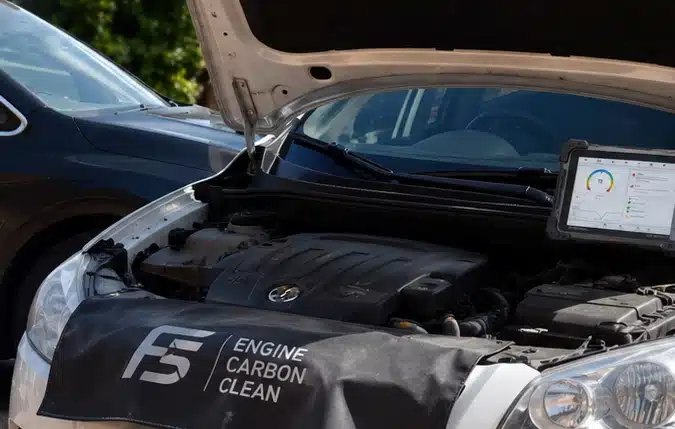
Possible causes include:
- Weak fuel pump
- Blocked fuel filter
- Injector leak-off problems
- Fuel pressure sensor faults
- Fuel pressure regulator issues
- Contaminated fuel
Symptoms may include:
- Hesitation
- Cutting out
- Hard starting
- Loss of power
- Rough running
- Engine warning light
Fuel pressure faults need careful checking because they can create symptoms similar to turbo or airflow issues.
Injector Problems
Fuel injectors must deliver the right amount of fuel at the right time.
If injectors are leaking, blocked, sticking or imbalanced, combustion becomes unstable. The vehicle may detect this and restrict performance.
Common signs include:
- Rough idle
- Engine vibration
- Poor acceleration
- Black smoke
- High fuel consumption
- Diesel knock
- Reduced power warning
On higher-mileage vehicles, injector correction values can help show whether one cylinder is working harder than the others to maintain smooth running.
Carbon Build-Up
Carbon build-up can gradually restrict airflow and affect combustion efficiency.
Deposits commonly build up around:
- EGR valves
- Intake manifolds
- Intake systems
- Turbo components
- Throttle bodies
As airflow becomes restricted, the engine can become less responsive and more difficult to control accurately.
Carbon build-up may contribute to:
- Limp mode
- Rough idle
- Loss of power
- Hesitation
- Poor fuel economy
- Black smoke
- EGR faults
This is often seen on vehicles used mainly for short journeys and low-speed driving.
EGR Valve Problems
The EGR valve recirculates some exhaust gases back into the engine to reduce emissions.
Because it handles dirty exhaust gases, it can become clogged with carbon deposits or stick open or closed.
A faulty EGR valve can cause:
- Rough running
- Reduced power
- Hesitation
- Excessive smoke
- Engine warning light
- Limp mode
EGR faults can also affect DPF behaviour because the emissions system works as a connected chain, not as isolated parts.
Overheating and Temperature Faults
If the vehicle detects unsafe temperatures, it may enter limp mode to protect the engine.
Possible causes include:
- Low coolant
- Faulty thermostat
- Cooling fan problems
- Water pump issues
- Temperature sensor faults
- Blocked cooling system
Overheating-related limp mode should be treated seriously. Continuing to drive with high engine temperatures can cause expensive damage.
Transmission or Gearbox Faults
Limp mode is not always caused by the engine.
Some vehicles restrict performance because of gearbox or transmission problems.
Drivers may notice:
- Harsh gear changes
- Gearbox warning lights
- Vehicle stuck in one gear
- Delayed shifting
- Reduced acceleration
- Transmission overheating warnings
In these cases, diagnostics need to include gearbox data as well as engine data.
Why Limp Mode Can Come & Go
Limp mode can be intermittent.
The car may feel restricted one day, then drive normally after being switched off and restarted. This does not mean the problem has gone away.
Intermittent limp mode usually means the fault only appears under certain conditions, such as:
- Hard acceleration
- Driving uphill
- Motorway speeds
- High engine load
- Regeneration attempts
- Hot engine temperatures
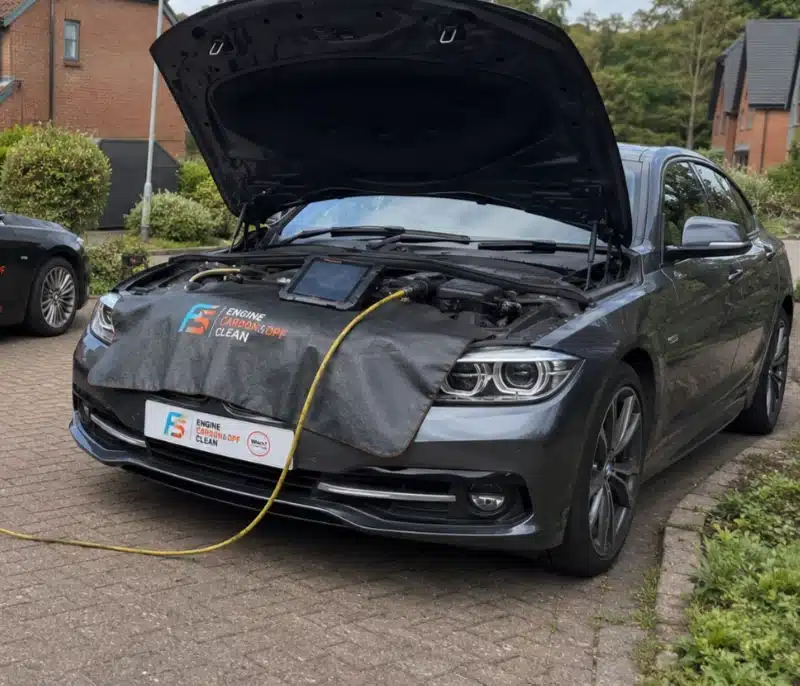
This is why road testing and live data checks can be so useful. Some faults only show themselves when the vehicle is under load.
Is It Safe to Drive With a Car in Limp Mode?
It depends on the symptoms.
If the vehicle is still driving smoothly and only slightly restricted, it may be possible to drive carefully to a safe place or arrange diagnostics.
However, you should avoid continuing to drive if you notice:

- Heavy smoke
- Flashing warning lights
- Severe overheating
- Loud mechanical noises
- Strong burning smells
- Severe vibration
- Very restricted acceleration
- The vehicle feels unsafe in traffic
Limp mode is a warning. It is designed to protect the vehicle, not to give permission to keep driving indefinitely.
Why You Should Not Just Clear the Warning
Clearing fault codes can temporarily remove the warning light, but it does not fix the cause.
If the underlying fault remains, limp mode will usually return.
Worse, clearing codes too early can remove useful information such as freeze-frame data, which may show what the vehicle was doing when the fault occurred.
A proper diagnostic approach uses fault codes as a starting point, then checks live data to confirm what is actually happening.
What Happens During Limp Mode Diagnostics?
Proper limp mode diagnostics should go beyond a quick code scan.
A diagnostic inspection may include:
- Fault code reading
- Freeze-frame data review
- Live data checks
- Turbo boost monitoring
- Airflow readings
- Fuel pressure checks
- Injector correction values
- DPF soot level checks
- Regeneration history
- Temperature readings
- Visual inspection of hoses and wiring
- Road testing where needed
The aim is to understand why the vehicle restricted power in the first place.
For example, a reduced power warning could be caused by a turbo issue, but the root cause may actually be a split hose, blocked DPF, faulty sensor or carbon restriction.
Can Engine Carbon Cleaning Help With Limp Mode?
Engine carbon cleaning may help if carbon build-up is contributing to airflow restriction, poor combustion or EGR-related symptoms.
However, it should not be used as guesswork.
If the car is in limp mode, diagnostics should come first. This helps confirm whether carbon build-up is likely to be involved or whether the problem is caused by something else, such as fuel pressure, turbo control, DPF restriction or a sensor fault.
Used appropriately, carbon cleaning may help with:
- Restricted airflow
- Rough running
- Hesitation
- Reduced responsiveness
- Carbon-related EGR issues
- Some soot-related performance problems
It is not a replacement for repairing failed components.
How to Reduce the Risk of Limp Mode Returning
You cannot prevent every fault, but good maintenance can reduce the risk of avoidable limp mode problems.
Helpful steps include:
- Keeping oil and filter services up to date
- Using the correct oil specification
- Investigating warning lights early
- Avoiding repeated short journeys where possible
- Allowing diesel vehicles to complete regeneration cycles
- Checking for smoke, hesitation or poor MPG
- Replacing blocked filters when needed
- Fixing boost leaks or sensor faults promptly
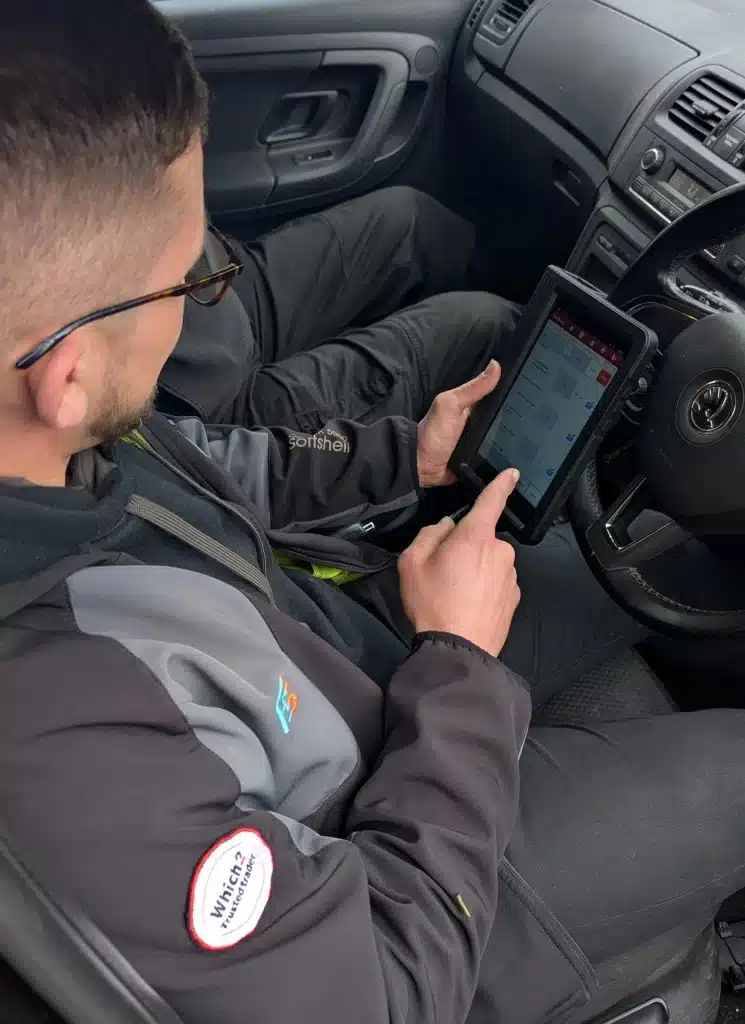
Small symptoms often appear before limp mode happens fully. A car that is becoming slower, smokier or harder to start is usually already giving clues.
Frequently Asked Questions About Limp Mode
What does limp mode mean?
Limp mode means the vehicle has detected a fault and is limiting engine power to help protect itself from further damage.
Why is my car in limp mode?
Common causes include turbo boost problems, DPF restrictions, airflow faults, fuel pressure issues, injector problems, carbon build-up, overheating or sensor faults.
Can I still drive my car in limp mode?
You may be able to drive carefully for a short distance if the vehicle feels stable, but severe power loss, overheating, heavy smoke or flashing warning lights should be treated seriously
Will limp mode reset itself?
Sometimes limp mode may disappear after restarting the vehicle, but if the fault remains, it will usually return.
Can a blocked DPF cause limp mode?
Yes. A heavily restricted DPF can affect exhaust flow and trigger reduced power warnings, especially when regeneration has failed repeatedly.
Can a turbo problem cause limp mode?
Yes. Turbo underboost, boost leaks, sticking turbo vanes or faulty boost control can all cause a vehicle to enter limp mode.
Why does my car go into limp mode when accelerating?
If limp mode appears during acceleration, the issue may be related to turbo boost, airflow, fuel pressure, DPF restriction or sensor readings under load.
Should I clear Limp Mode fault codes?
Fault codes should not be cleared until the cause has been investigated. Clearing codes without diagnostics can remove useful evidence and does not fix the fault.
Is your car in limp mode?
If your car is in limp mode or showing a reduced power warning, proper diagnostics can help identify the real cause before more damage is done.
At F5ECC, live data diagnostics are used to look beyond the fault code and understand how the vehicle is behaving under real conditions, helping avoid unnecessary parts replacement and guesswork.
Our Approach: Which? Trusted Trader Certified Specialists
We are fully insured, IMI Certified, and Which? Trusted Trader approved.

Honest Diagnostics & Certified Expertise
☑️ Full live data diagnostics
☑️ Honest advice, no unnecessary cleaning
☑️ Which? Trusted Trader approved
☑️ Fully insured and IMI Certified