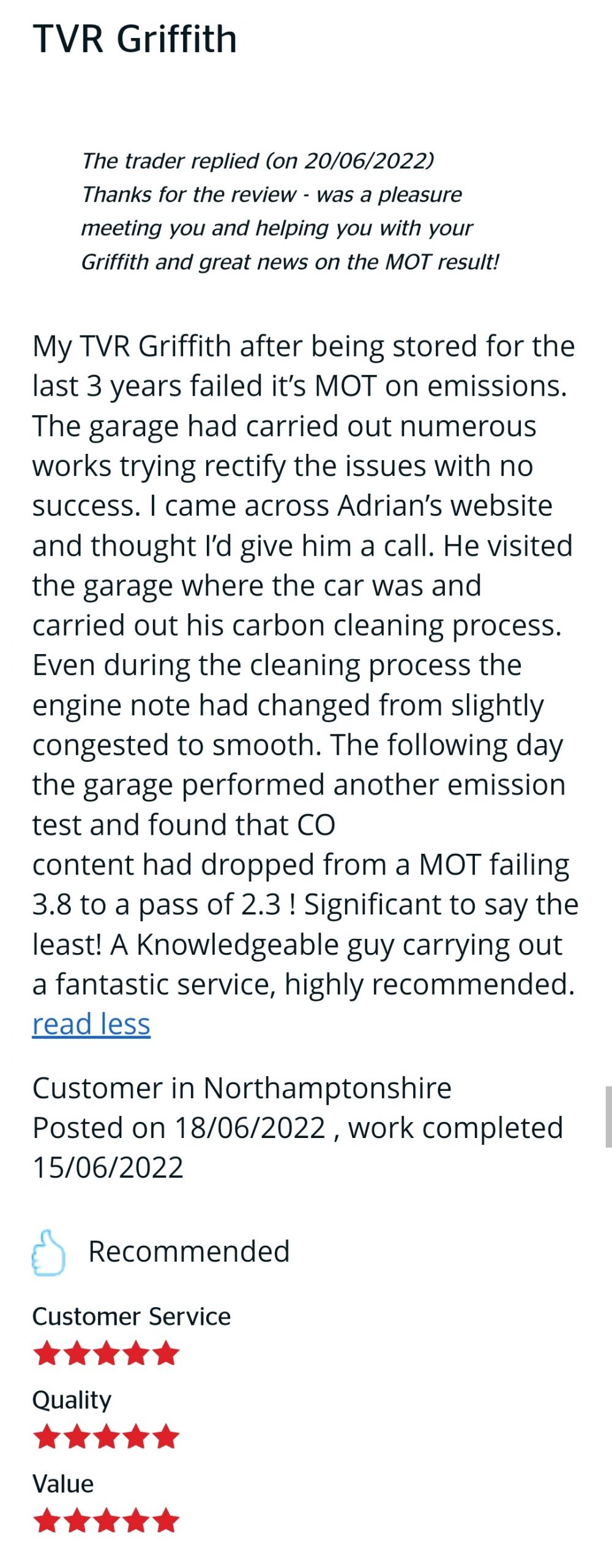
If you’re searching how to reduce emissions for MOT…
…Or asking “car failed MOT on emissions what can I do?” You’re likely dealing with an MOT emissions fail or preparing your vehicle to avoid one.
An ideal starting point is our Award Winning Which? Trusted Traders approved Live Data Engine Diagnostic and Engine Carbon Clean booking.
Restore Power, Performance, Fuel Economy and most importantly Emission Levels.
Reviews For our Engine Carbon Cleaning Services


Car running a lot better
Highly recommend

The V6 in the xfs is a quiet, smooth, powerful unit and I was not sure of what improvements I would get. Well, I’m impressed. The power delivery is smoother, the engine even quieter and 6 mpg better to boot.
If you want to do one thing to maintain and improve your motor, then this is what you should do.

Very knowledgeable guy, I was really impressed.
Car drives much better now, highly recommend.
Thanks Adrian
Marius Popa


Very knowledgeable on issues with electrical problems with my car.
Arrived on time and completed the work as you would expect from a good reliable company.


He set up within 5 minutes and went on to the diagnostics and talked me through what was coming up after a reset all was clear. It took about 1 hour in total great job well happy would definitely recommend Adrian well mannered gentleman.
Common Reasons for MOT Emissions Failures
From experience, the most common causes of an emissions fail at MOT we see include:
- Carbon build-up
- Catalyst deterioration
- DPF/GPF Overloaded
- Leaking Injectors
- Leaking Pipework
- Lambda Sensor Issues
- Thermostat
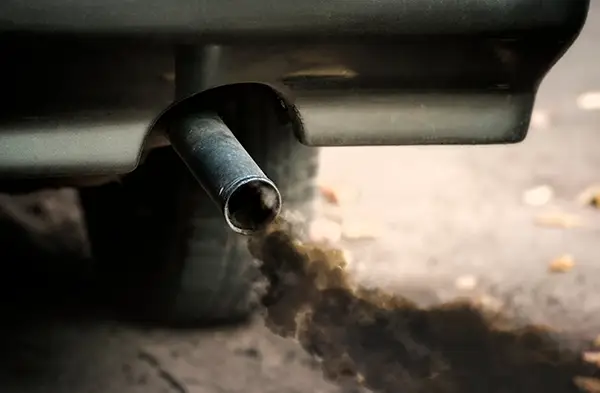
Driving at high revs before a re-test will not solve the issue if regeneration is disabled, underlying faults exist or the vehicle is suffering from carbon build-up.
How to Reduce Emissions Before MOT Re-Test
If your vehicle is due for MOT then it is an ideal time to book in with us for a live data engine diagnostic and engine carbon clean. This will allow us to sit down together with you to :
- Carry out a live data engine diagnostic to look for underlying faults and issues which may be increasing emission levels
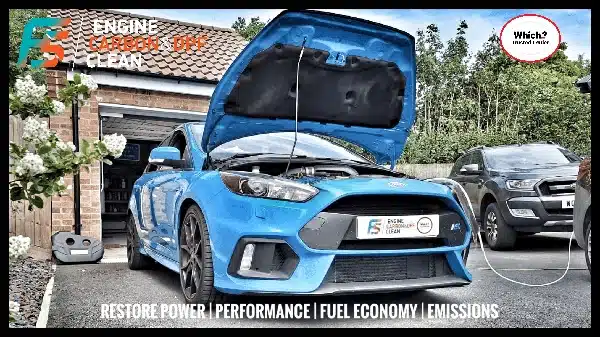
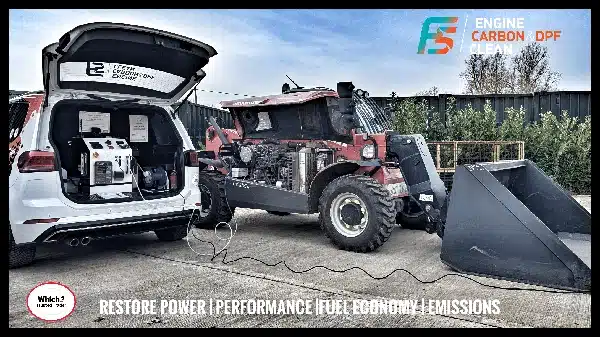
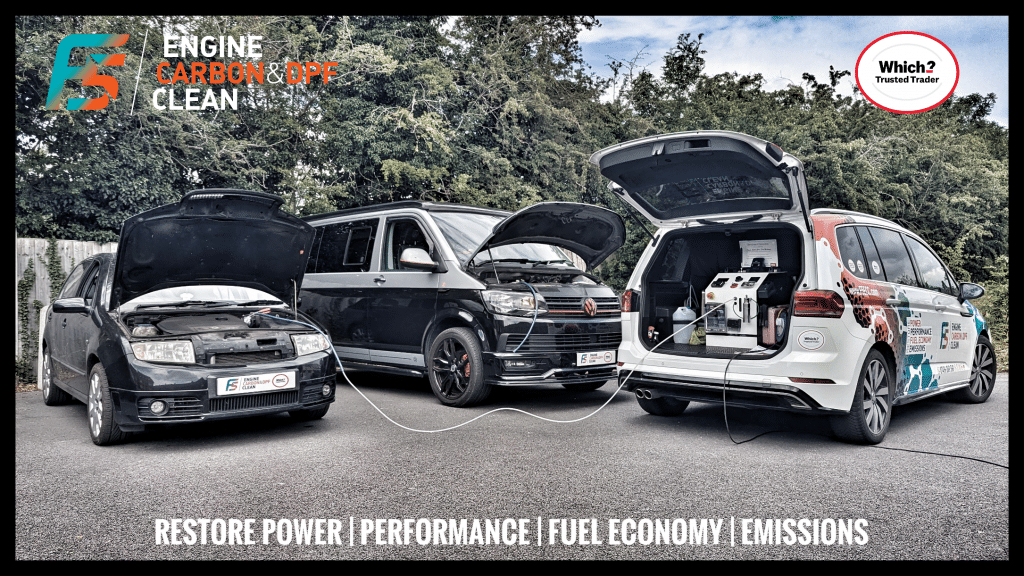
- Perform an Engine Carbon Clean to clean up the back of the turbo, combustion chamber, injector tips, pistons, cylinders and cats and bring emissions levels down.
Once cleaned up and any identified issues resolved with your mechanic then you can take it for the MOT test.
Does Carbon Cleaning Really Help with MOT Emissions Failures?
Yes it does.
By cleaning up the combustion chamber, injector tips, pistons, cylinders and cats it helps reduce emission levels.
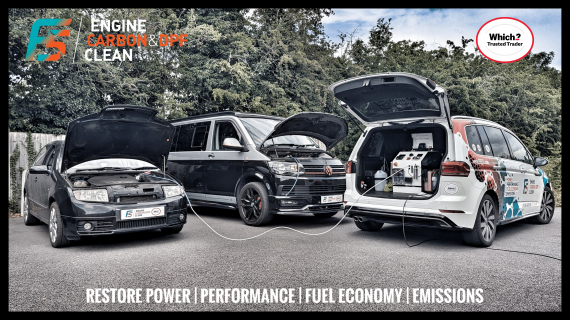
Cleaning itself is not a substitute for repairing faulty components, hence why our Engine Carbon Clean always involves a thorough Live Data Engine Diagnostic.
Emissions don’t suddenly increase overnight unless there is a component failure
They typically rise gradually as engine efficiency declines through carbon build-up in the combustion chamber; something that regular engine carbon cleaning every 20k miles can address.

Be aware though that depending on any underlying issues it may also need those issues fixing before it will pass completely.
Example Review 1
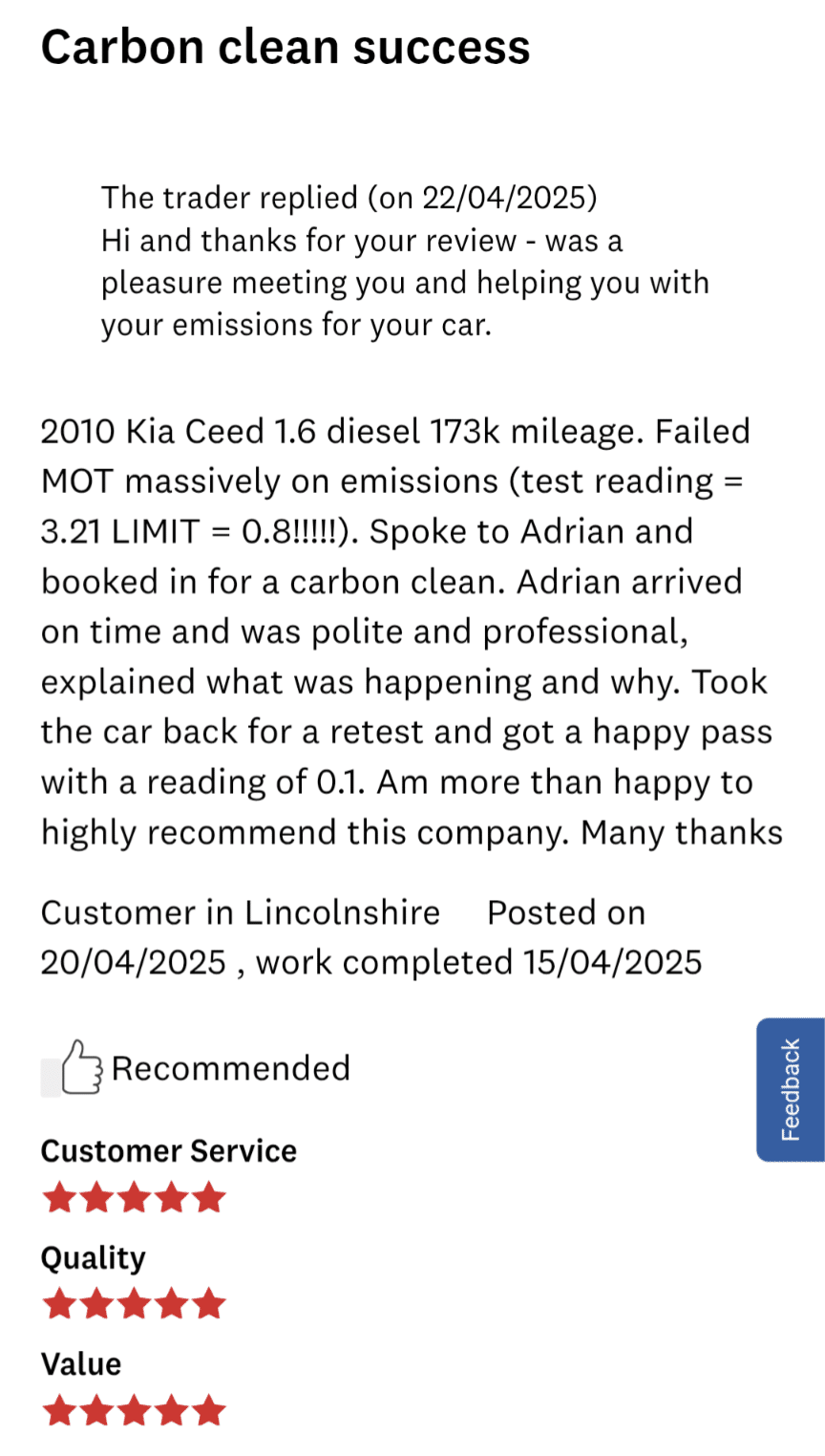
Example Review 2
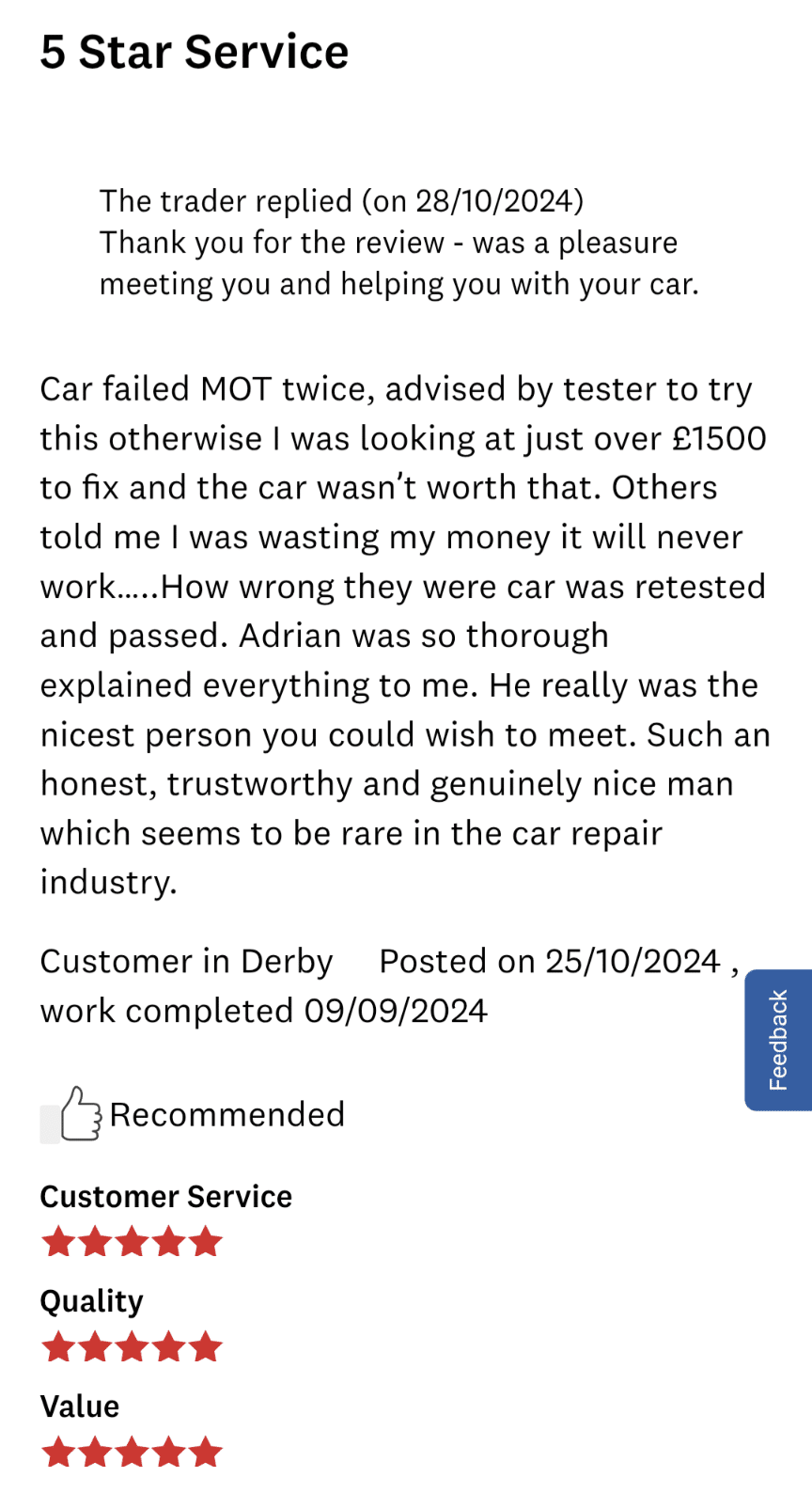
Example Review 3