Rough Idle? What Your Car May Be Trying to Tell You
You start the engine and something feels off.
The car shakes slightly at traffic lights. The revs dip or bounce. The engine sounds uneven. Maybe it feels like it wants to stall. Sometimes it smooths out while driving, then returns again when stationary.
A rough idle is one of the most common warning signs that something inside the engine system is no longer working properly.
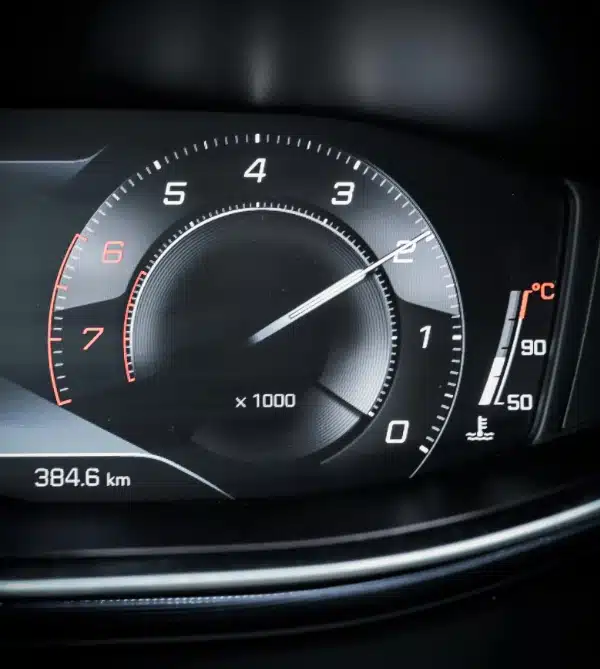
In many cases, the issue starts small. A sensor reading incorrectly. Carbon build-up restricting airflow. A vacuum leak. Fuel delivery problems. A blocked EGR valve. Sometimes it is something simple. Other times it points to a wider performance issue developing over time.
The important thing is this.
A rough running engine should not be ignored, especially if it is becoming more frequent, worse when cold, or combined with poor engine performance, warning lights or increased fuel usage.
This guide explains:
- What a rough idle actually means
- The most common causes
- Why modern engines suffer with this problem
- What diagnostics normally involve
- When you should get it checked
What Is a Rough Idle?
A rough idle happens when the engine struggles to run smoothly while stationary.
Instead of maintaining a steady and balanced idle speed, the engine may:
- Vibrate excessively
- Sound uneven
- Fluctuate in RPM
- Feel jerky or unstable
- Hesitate or almost stall
In simple terms, the engine is struggling to maintain the correct air, fuel and ignition balance at low speed.
Most modern vehicles are designed to idle smoothly and quietly. If the engine feels rough, shaky or inconsistent, it usually means the engine management system is compensating for a fault somewhere else.

What does a rough idle feel like?
Drivers commonly describe it as:
- “The car feels shaky at traffic lights”
- “The engine sounds lumpy”
- “The revs keep moving up and down”
- “It feels like it might cut out”
- “The steering wheel vibrates while idling”
Common Causes of a Rough Idle
A rough idle is a symptom, not the fault itself.
The actual cause can vary depending on the make, model, mileage, driving style and engine type.
Below are some of the most common causes seen during engine diagnostics across the UK.
Carbon Build-Up Inside the Engine
There is no single cause of excessive exhaust smoke.
Several systems can contribute to incomplete combustion.
Carbon Build-Up Inside the Engine
One of the biggest causes of engine running rough in modern vehicles is carbon build-up.
Over time, soot and oily deposits collect inside components such as:
- EGR valves
- Intake manifolds
- Turbo systems
- Intake valves
- Diesel particulate filters (DPFs)
This build-up restricts airflow and affects combustion efficiency.
The result can include:
- Uneven idling
- Hesitation
- Poor engine performance
- Reduced fuel economy
- Increased emissions

This is particularly common on vehicles used mainly for short journeys or stop-start driving around towns and cities.
Why short trips make it worse
Modern engines are designed to reach operating temperature properly.
Frequent short journeys can prevent this from happening, allowing moisture, soot and carbon deposits to accumulate faster.
This is something our mobile diagnostics specialists regularly see on vehicles across the Midlands, especially in cars used mainly for commuting or school runs.
Faulty Sensors
Modern engines rely heavily on sensors.
If one starts providing incorrect readings, the engine control unit may compensate incorrectly, leading to rough idling and poor running.
Common sensors linked to rough idle include:
- Mass airflow sensor (MAF)
- Oxygen sensor
- MAP sensor
- Coolant temperature sensor
- Crankshaft sensor
For example, a faulty coolant temperature sensor may tell the vehicle the engine is colder than it actually is. This can cause over-fuelling and unstable idling.
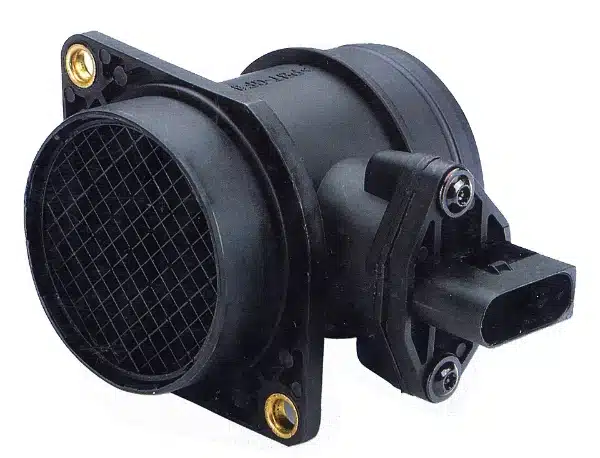
In many cases, no obvious warning signs appear initially beyond the rough running itself.
Ignition Problems
On petrol vehicles, ignition faults are another common cause of a rough running engine.
Problems may include:
- Worn spark plugs
- Faulty ignition coils
- Misfires
- Weak spark output
A misfire at idle is often more noticeable because the engine has less momentum to mask the imbalance.
Symptoms can include:
- Shaking through the cabin
- Jerking under acceleration
- Flashing engine management light
- Poor throttle response
Even one failing coil pack can create noticeable roughness.
Vacuum Leaks and Air Intake Issues
The engine depends on accurate airflow measurements.
If unmetered air enters the system through cracked hoses, split pipes or leaking gaskets, the fuel mixture becomes unbalanced.
This can create:
- Rough idle
- Surging revs
- Stalling
- Lean fuel conditions
- Hesitation

Vacuum leaks are often difficult to diagnose without proper live data diagnostics because the symptoms can mimic other faults.
Fuel Delivery Problems
If the engine is not receiving the correct amount of fuel, combustion becomes unstable.
Possible causes include:
- Dirty fuel injectors
- Weak fuel pumps
- Blocked fuel filters
- Injector imbalance
Diesel injectors in particular can create rough idle symptoms if fuelling corrections become excessive.
During diagnostics, live injector readings can often reveal whether one cylinder is compensating abnormally compared to the others.
EGR Valve Problems
The EGR valve recirculates exhaust gases back into the engine to reduce emissions.
When the valve sticks due to carbon deposits, airflow and combustion become disrupted.
Common symptoms include:
- Rough idle
- Flat acceleration
- Hesitation
- Increased smoke
- Engine warning lights
This is common on higher-mileage diesel vehicles.
Can a Rough Idle Damage the Engine?
Sometimes yes.
A rough idle itself is not the direct cause of damage, but the underlying issue can become more serious if ignored.
For example:
- A misfire can damage the catalytic converter
- Excessive carbon build-up can affect turbo performance
- Incorrect fuelling can increase DPF problems
- Injector issues can worsen over time
- Faulty sensors can reduce fuel efficiency and emissions performance
Catching problems early is usually cheaper than waiting for multiple faults to develop.
Why Diagnostics Matter for a rough idle
One of the biggest mistakes vehicle owners make is replacing parts without confirming the actual cause.
A rough idle can have multiple possible causes that create similar symptoms.
For example:
- Carbon build-up can mimic injector faults
- Sensor faults can look like ignition problems
- Vacuum leaks can appear similar to fuel delivery issues
This is why proper engine diagnostics matter.
What Drivers Often Notice Before a Rough Idle Gets Worse
In many cases, drivers notice smaller changes before the engine begins running rough consistently.
These may include:
- Reduced MPG
- Sluggish acceleration
- Increased smoke
- More frequent DPF regenerations
- Hesitation when pulling away
- Engine vibration while stationary
- Longer cold starts
- Increased engine noise

These symptoms are often connected.
Modern engine systems work together, meaning one issue can gradually affect multiple areas of performance.
Is It Safe to Keep Driving With a Rough Idle?
It depends on the cause.
Some minor faults may not create immediate danger. Others can worsen quickly.
You should avoid ignoring the issue if:
- The engine warning light is flashing
- The vehicle struggles to accelerate
- The car feels unstable
- Fuel economy suddenly worsens
- Smoke levels increase
- The engine cuts out
- The rough idle becomes severe
A flashing engine management light usually indicates an active misfire, which can damage the catalytic converter if driven for extended periods.
How Modern Driving Habits Contribute to Rough Running Engines
Many modern engines are designed around emissions regulations and fuel efficiency targets.
This has made them more sensitive to:
- Short journeys
- Stop-start traffic
- Low-speed driving
- Delayed maintenance
- Incorrect oil specifications
- Poor-quality fuel
Vehicles driven mainly on short urban journeys are often more prone to:
- Carbon build-up
- DPF problems
- EGR faults
- Intake contamination
This is particularly common in vehicles across urban and commuter-heavy areas.
What Happens During a Mobile Engine Diagnostic Visit?
A proper mobile diagnostic appointment is usually far more detailed than a quick code scan.
A specialist may check:
- Fault codes
- Live sensor readings
- Fuel trims
- Injector balance values
- Turbo behaviour
- Airflow readings
- Engine temperatures
- DPF data
- EGR operation
The goal is to understand why the engine is behaving abnormally, rather than simply clearing warning lights.
This evidence-led approach is especially important for intermittent faults that garages may struggle to reproduce.
This is not a magic fix for every fault.
However, when excessive carbon deposits are affecting airflow, combustion or emissions systems, cleaning can sometimes improve:
- Idle smoothness
- Throttle response
- Engine refinement
- Fuel efficiency
- Regeneration frequency
The key is ensuring the underlying issue is diagnosed properly first.

Frequently Asked Questions About Rough Idle
Why is my engine running rough when stationary?
A rough idle while stationary usually means the engine is struggling to maintain a balanced combustion process at low speed. Common causes include carbon build-up, sensor faults, ignition problems, injector issues or air leaks.
Can bad fuel cause a rough idle?
Yes. Contaminated or poor-quality fuel can affect combustion efficiency and injector performance, leading to unstable idling and hesitation.
Why does my car idle rough but drive fine?
At higher speeds, engine momentum can hide minor imbalances. Problems often become more noticeable at idle because the engine is under less load and running at lower RPM.
Can a dirty EGR valve cause rough idle?
Yes. A blocked or sticking EGR valve can disrupt airflow and combustion, causing uneven idling and hesitation.
Does rough idle mean my injectors are failing?
Not always. Injector issues are one possible cause, but rough idle can also result from sensors, ignition faults, vacuum leaks or carbon build-up.
Should I keep driving if my engine is running rough?
If the issue is mild, short-term driving may be possible. However, worsening symptoms, warning lights or severe vibration should be checked quickly to avoid additional damage.
A rough idle is rarely something that fixes itself
Sometimes the cause is relatively simple. Other times it points to wider engine efficiency or emissions-related problems developing gradually over time.
The key is identifying the actual cause early rather than guessing.
Modern vehicles produce large amounts of live diagnostic data. When interpreted properly, this data often reveals far more than a basic fault code scan alone.
If your engine is running rough, vibrating at idle or showing signs of poor engine performance, a proper diagnostic inspection can usually provide a much clearer picture of what is happening before the issue becomes more expensive.
Our Approach: Which? Trusted Trader Certified Specialists
We are fully insured, IMI Certified, and Which? Trusted Trader approved.

Honest Diagnostics & Certified Expertise
☑️ Full live data diagnostics
☑️ Honest advice, no unnecessary cleaning
☑️ Which? Trusted Trader approved
☑️ Fully insured and IMI Certified