Engine carbon clean Mercedes A180 CDI
Just bought a vehicle? Service or MOT due? Or maybe just not seen us for a while?
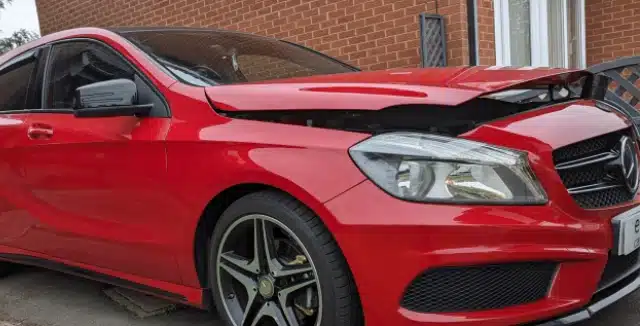
Here we have a recently purchased Mercedes A180 CDI (2013 – 101,685 miles) booked in for vehicle diagnostic inspection and Engine Carbon Clean, after a Mercedes A180 CDI DPF pressure sensor fault stopped the vehicle regenerating properly.
Vehicle Diagnostic Inspection and Engine Carbon Clean Results
The owner booked us shortly after purchasing the vehicle, just 997 miles after sale, for a vehicle diagnostic inspection and engine carbon clean to check for any underlying issues.
Initial inspection and diagnostics
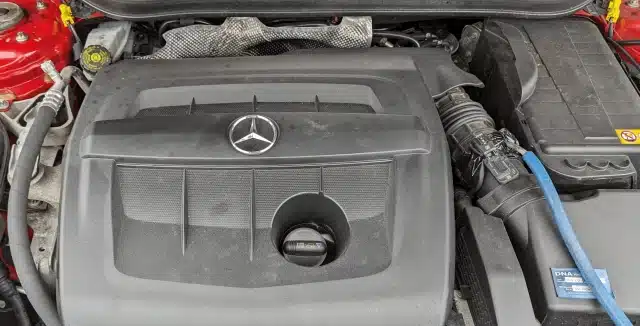
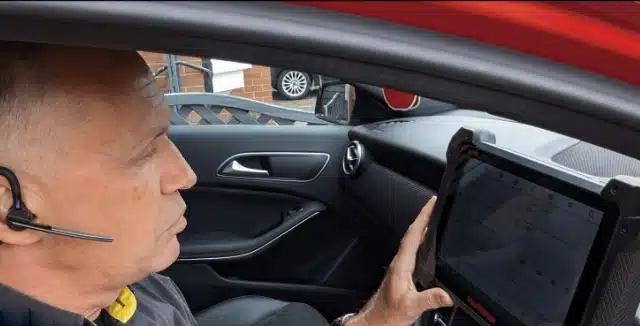
Our initial visual inspection found no obvious issues within the engine bay. However, diagnostic checks revealed several fault codes that had appeared since purchase. These codes had been cleared before the sale, approximately 997 miles earlier. The full diagnostic history was saved and shared with the owner.
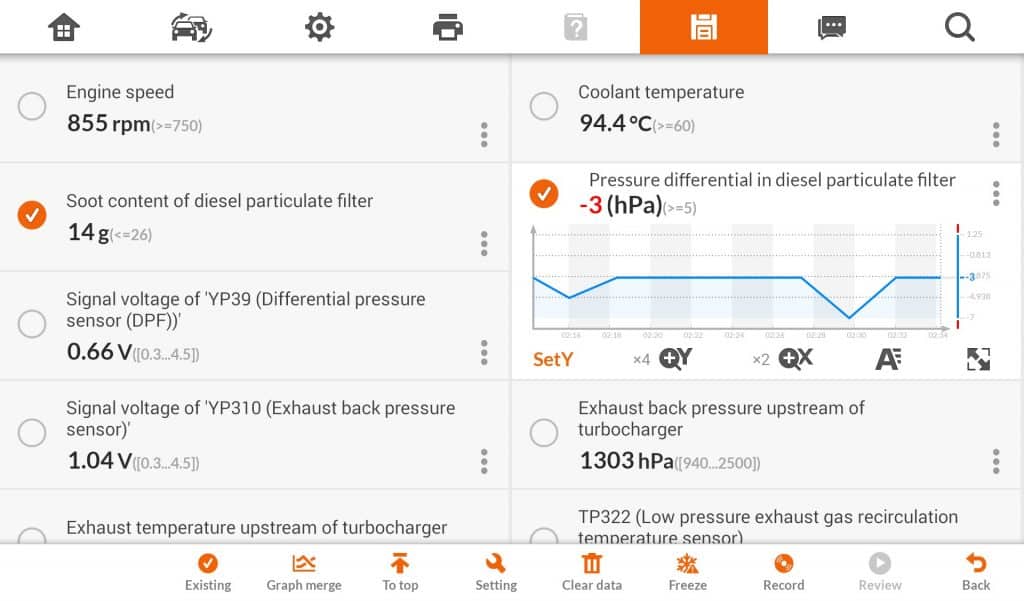
Live data monitoring showed healthy readings across most systems. The exception was a negative reading on the DPF pressure sensor, which became more negative when the engine was revved.
What Does a Negative DPF Pressure Sensor Reading Mean?
A Mercedes A180 CDI DPF pressure sensor fault like this one usually comes down to the sensor itself. It compares the exhaust pressure either side of the filter, and that reading is what tells the engine when it’s time to start a regeneration. A negative or reversed reading, especially one that gets worse as the engine is revved, usually points to the sensor, its wiring, or its pipework, rather than the filter being blocked.
Delphi’s technical guide to DPF differential pressure sensors explains how these sensors work and why they fail. In this case, the negative reading explains why the vehicle hadn’t successfully regenerated in 997 miles, even though the filter itself doesn’t appear to be the underlying problem.
DPF regeneration issues identified
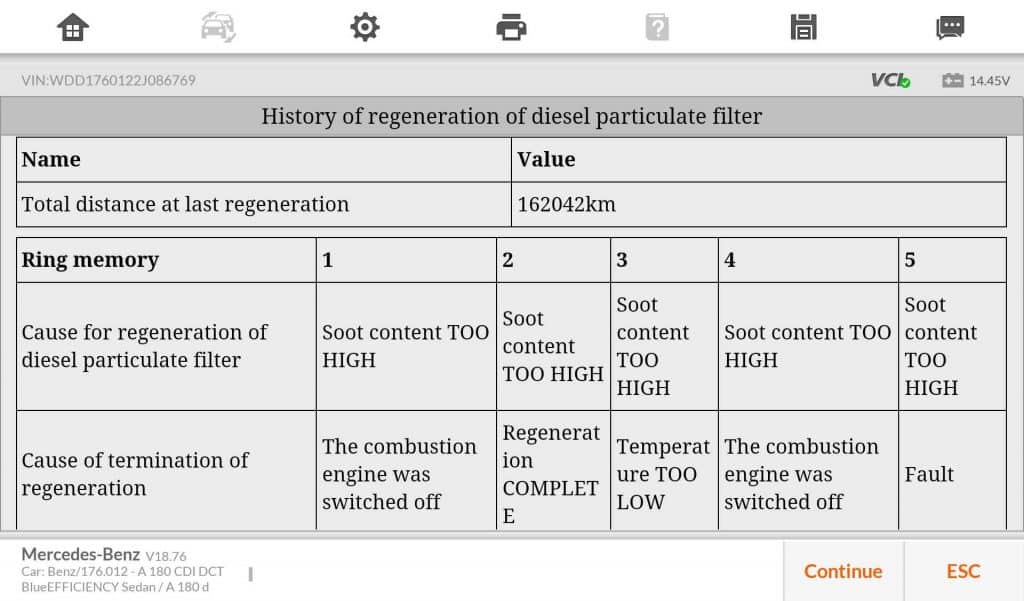
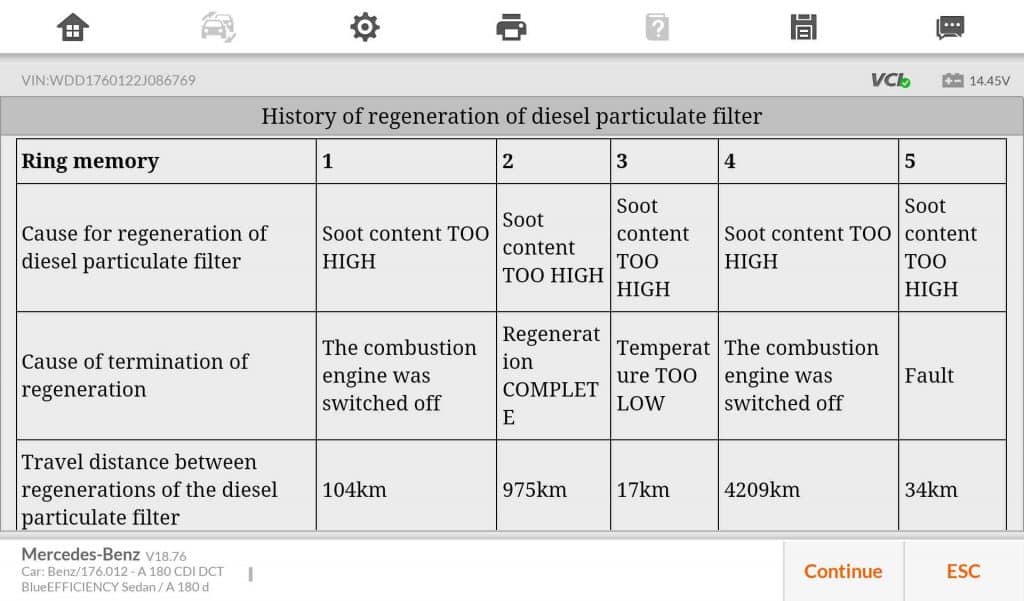
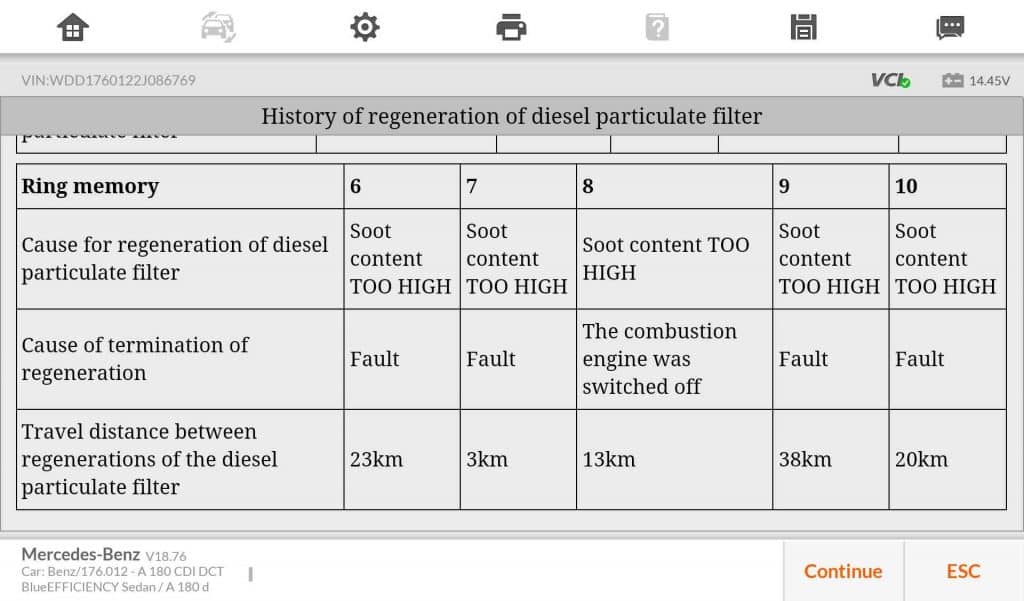
Further investigation into the regeneration history showed that the vehicle had not successfully regenerated for 997 miles. The previous ten regeneration attempts had mostly failed due to a fault.
Combined with the negative DPF pressure readings, this suggests the pressure sensor may have been replaced prior to purchase, but potentially wired or piped incorrectly, explaining the lack of fault codes at sale.
Engine carbon clean results
We carried out a full engine carbon clean, and the improvement was clear. The engine quickly smoothed out, became quieter, and by the end of the process was running smoothly, responsively, and more efficiently.
Next steps
The owner can now get the warranty company involved regarding the DPF sensor.
Frequently Asked Questions About Mercedes A180 CDI DPF Pressure Sensor Faults
What causes a negative DPF pressure sensor reading?
A negative or reversed reading usually points to the sensor itself, its wiring, or its pipework, rather than the filter being blocked. It can happen when the two pressure pipes are connected the wrong way round, so the sensor reads the pressure difference in reverse.
Can a newly fitted DPF pressure sensor cause failed regenerations?
Yes. If a replacement sensor is wired or piped incorrectly, this kind of Mercedes A180 CDI DPF pressure sensor fault can appear even though no fault code shows straight away, because the engine control unit isn’t getting an accurate pressure signal.
What happens if a DPF doesn’t regenerate for a long time?
Soot keeps building up in the filter instead of being burned off. Left long enough, this raises exhaust back pressure, reduces engine performance, and increases the risk of the filter becoming permanently blocked.
Is DPF pressure sensor damage covered under a used car warranty?
It depends on the warranty provider and when the fault started. Full diagnostic history showing when the fault appeared, like the report kept in this case, gives the owner the evidence needed to raise it with the warranty company.