Range Rover Evoque DPF light on 2017 2.0 Diesel: : Case Study
The Vehicle
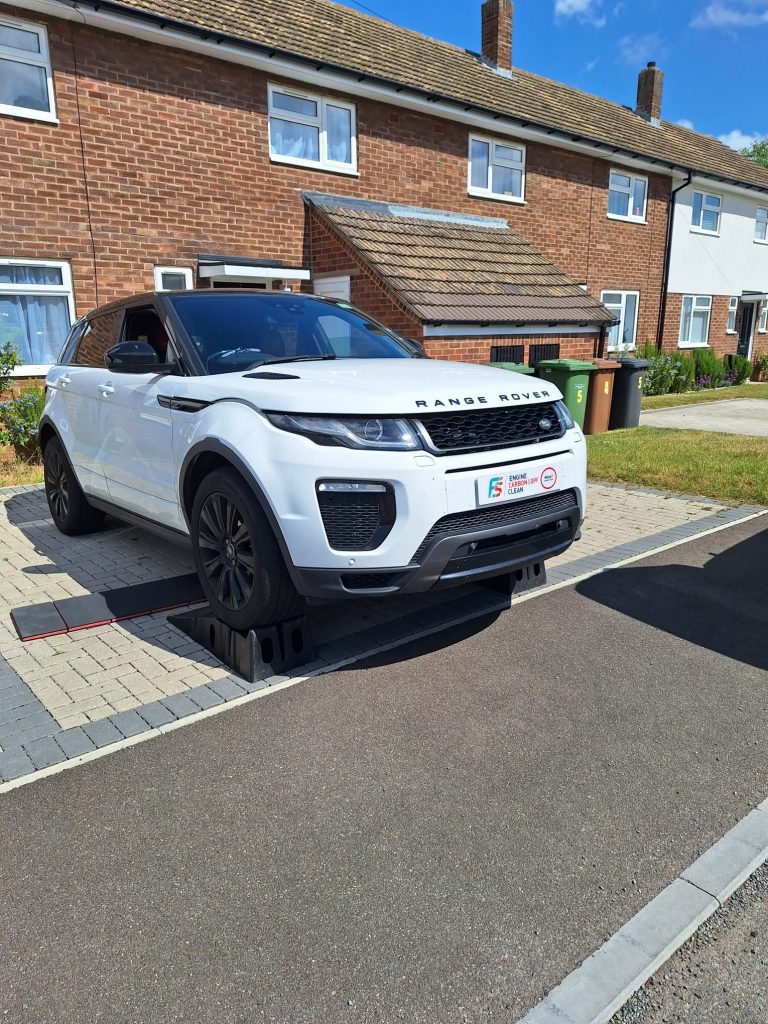
A Range Rover Evoque DPF Warning Light Investigation for this 2017 2.0d was booked in after the owner noticed a DPF warning light on the dashboard.
The Core Issue
After carrying out initial diagnostics, the main issue was quickly identified. The vehicle’s oil service was overdue.
This is something many drivers are unaware of, but on many modern diesel engines, DPF regeneration will often stop working correctly once the oil life has expired. The vehicle effectively limits regeneration ability to help protect the engine and emissions system.
On these engines especially, we generally recommend fresh oil every 6,000 miles rather than stretching service intervals too far.
Why an Overdue Oil Service Triggered This DPF Warning Light
On many modern diesel engines, including this 2017 Evoque’s 2.0-litre unit, active DPF regeneration is tied to the vehicle’s oil service indicator. Once the oil life counter runs out, the engine management system limits or blocks the extra fuel injection needed to burn off trapped soot, since running a regeneration on old, degraded oil raises the risk of oil dilution. That protective limit is exactly what allowed soot, ash and AdBlue crystallisation to build up on this vehicle before the warning light appeared. Diesel particulate filters also play an important legal role, and removing one to work around a stubborn light is not a fix, it is illegal for road use. For the official position on DPFs and why they must stay fitted, see the DVSA’s guidance note.
Range Rover Evoque DPF Warning Light Investigation
What We Found
During inspection of the Range Rover we also discovered:
- Heavy soot and contaminant build-up within the DPF system
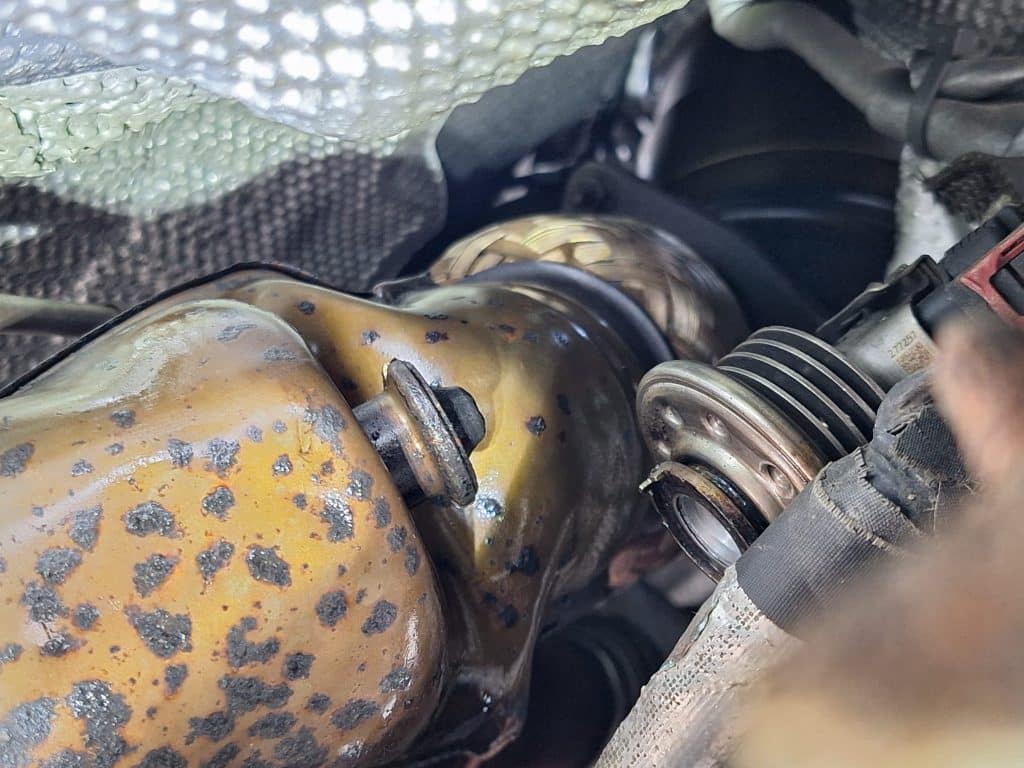
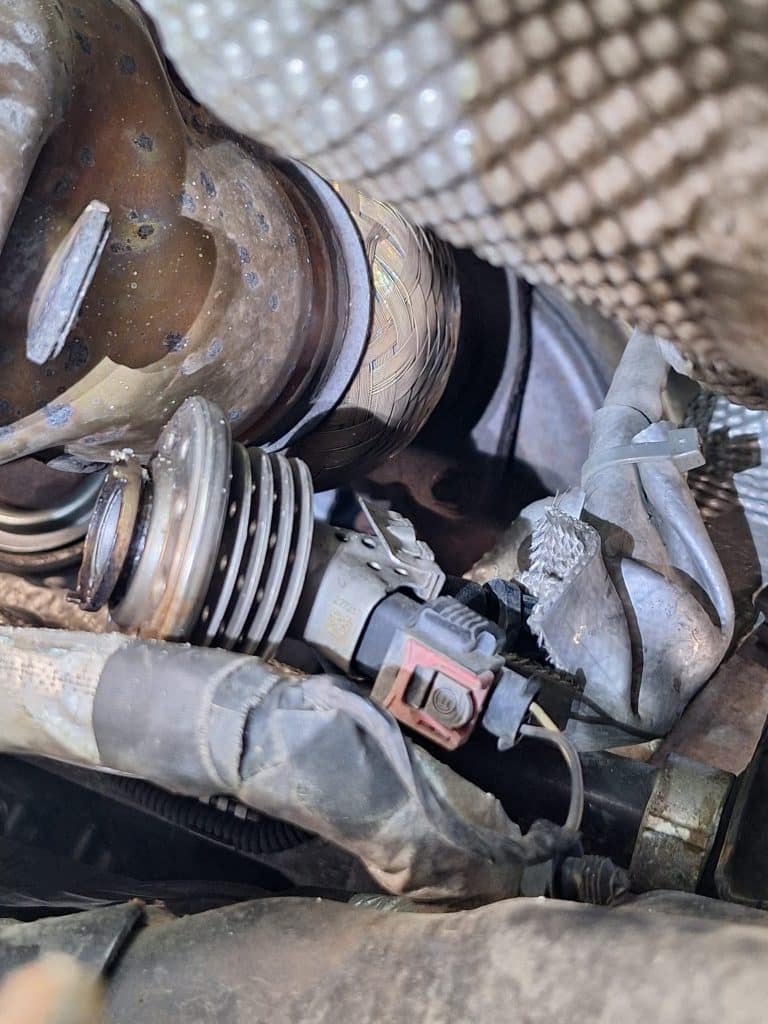
- Crystallisation and blockage around the AdBlue injector opening
- Elevated DPF pressure readings
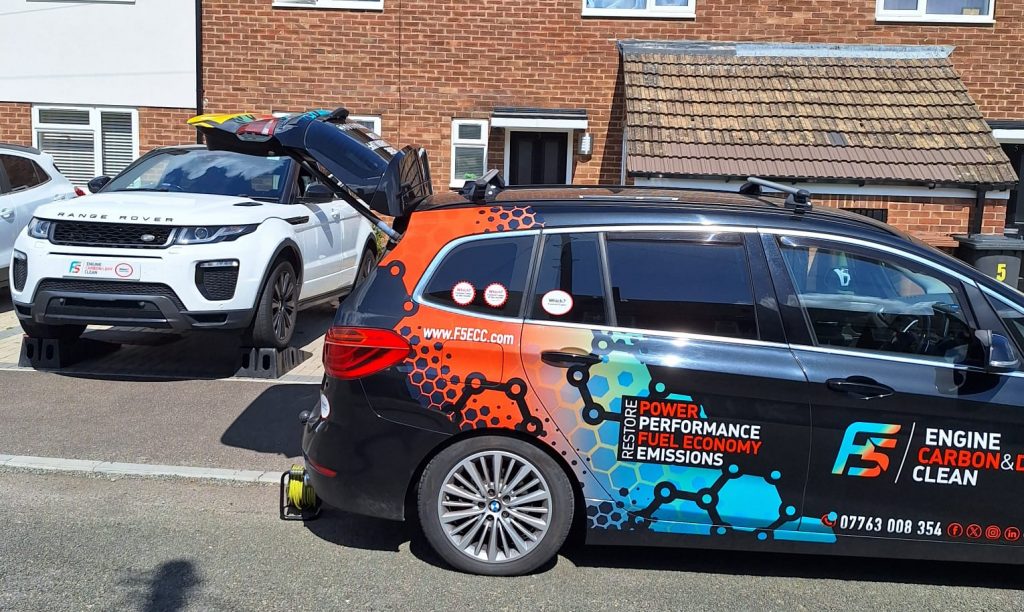
These issues combined can prevent the system from regenerating efficiently and eventually lead to warning lights, reduced performance and potential limp mode conditions.
How We Fixed the Problem
To restore the system correctly, we carried out:
- A two-stage Range Rover Evoque DPF flush to remove soot, ash and contamination
- Cleaning of the blocked AdBlue injector opening
- DPF recalibration procedures
- Engine temperature run-up and system checks
The Results: Normal range rover evoque dPF Pressure Restored
Following treatment, DPF pressure readings returned to normal operating levels.
The vehicle will also receive a fresh oil service to help support correct future regeneration cycles.
DPF range rover evoque: Why Maintenance Prevents DPF Failure
Many Range Rover Evoque DPF issues are not caused by the DPF itself failing.
Underlying maintenance issues, especially overdue oil servicing, short journeys and incomplete regenerations, are often the real cause.
Catching these issues early can help avoid more serious and expensive repairs later on.
For DPF diagnostics, engine carbon cleaning and mobile diagnostics across the Midlands, visit:
Our Approach: Which? Trusted Trader Certified DPF Specialists
Honest Diagnostics and Certified Expertise
We stand by a strict diagnostic process: full live data checking, honest advice, and zero unnecessary cleaning. We are fully insured, IMI Certified, and Which? Trusted Trader approved.
Book Your Range Rover DPF Diagnostic Check Today
Are you dealing with a stubborn dashboard warning light? Contact our team today for a comprehensive live data check before you pay for parts you might not need.
Frequently Asked Questions About This Range Rover Evoque’s DPF Warning Light
Why did my Range Rover Evoque’s DPF warning light come on?
In this case, an overdue oil service was the underlying cause. Once the oil life indicator runs out, many diesel engines, including this 2017 2.0d, limit DPF regeneration to protect the engine, which let soot, ash and AdBlue crystallisation build up until the warning light appeared.
Is it safe to keep driving with a DPF warning light on?
Short trips are usually fine in the short term, but continuing to drive for extended periods with the light on risks further contamination and a potential limp mode fault. Booking a live data diagnostic check as soon as possible is the safest way to confirm what is happening before it gets worse.
How was the DPF pressure fault diagnosed and fixed on this Evoque?
Live data diagnostics confirmed elevated DPF pressure readings alongside soot, ash and a crystallised AdBlue injector opening. The fix involved a two-stage DPF flush, cleaning the AdBlue injector opening, DPF recalibration and an engine temperature run-up to confirm pressure had returned to normal.
How often should a Range Rover Evoque have an oil service to avoid DPF problems?
On engines like this one, we generally recommend fresh oil every 6,000 miles rather than stretching to the manufacturer’s longer service intervals, since an expired oil life counter can stop DPF regeneration working correctly.